Most hotels treat the film as the finish line. It’s delivered, posted once on launch day, and then it sits in a folder. That’s the most common way to waste a good film — not by making the wrong one, but by only using it once.
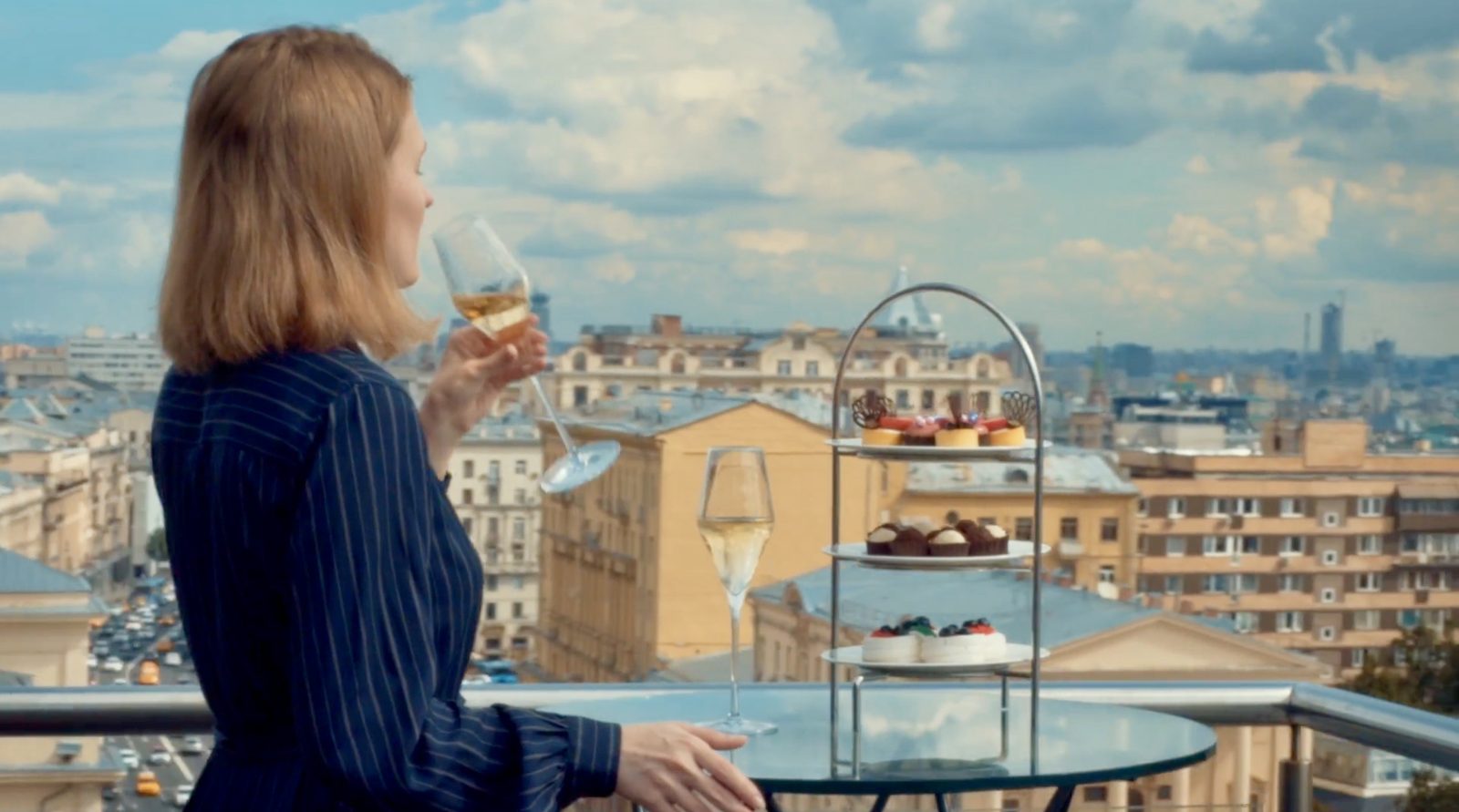
A film is an asset, not an announcement. It earns its budget over months, in the specific places where guests decide to book. Each of those places wants a slightly different version of the same material — which is why one shoot should produce a small family of cuts, not a single long video.
The homepage
The first thing a direct booker sees should move. A short, silent, looping cut behind the headline does more than any block of copy. It needs to read in three seconds, work without sound, and not fight the booking button. This is rarely the cut you’d post to social.
Booking and OTA pages
A property’s own booking flow and its listings are where intent is highest. A clean cut here — rooms, the view, the spaces a guest is actually buying — answers the only question that matters at that moment: is this worth the rate? Pictures hint at it. A film confirms it.
Paid and organic social
Social wants the opposite of the homepage loop: vertical, fast, sound-on, built to stop a thumb. The same shoot gives you these, cut differently — front-loaded, punchier, sized for the feed. One hero film and a handful of vertical reels from the same days will outwork a single horizontal video posted everywhere.
Sales, events and email
A film also works away from the public eye. Dropped into a proposal, an events deck, or a re-engagement email, it makes a property feel real in a way a PDF never will. For group and event sales especially, showing the room set and the arrival sells the space faster than a floor plan.
On-property screens
The film keeps working once the guest has arrived — looping at reception, in the lift, on lobby screens — reinforcing the spa, the restaurant, the upgrade they haven’t tried yet.
The point
None of this means shooting more. It means planning the shoot so one set of days yields a hero film, social cutdowns, a website loop, and stills — then placing each where it belongs. That placement is the heart of hotel video marketing: the properties that get the most from a film aren’t the ones that spend the most, but the ones that use everything they paid for.