A perfectly tidy room photographs well and films cold. The trick to a room that feels like somewhere you’d actually want to be is a little life — the sense that someone is here, or just was.
It’s a fine line. Too sterile and the room reads as a showroom: immaculate, expensive, and somehow unwelcoming. Too far the other way and it reads as messy. The target is a room that looks inhabited, not staged and not abandoned.
The showroom problem
A flawlessly made room with nothing out of place tells the viewer that no human has ever been allowed in it. That’s the opposite of what a guest wants. They’re not buying a museum exhibit — they’re buying the feeling of arriving, dropping their bag, and exhaling.
Human touches
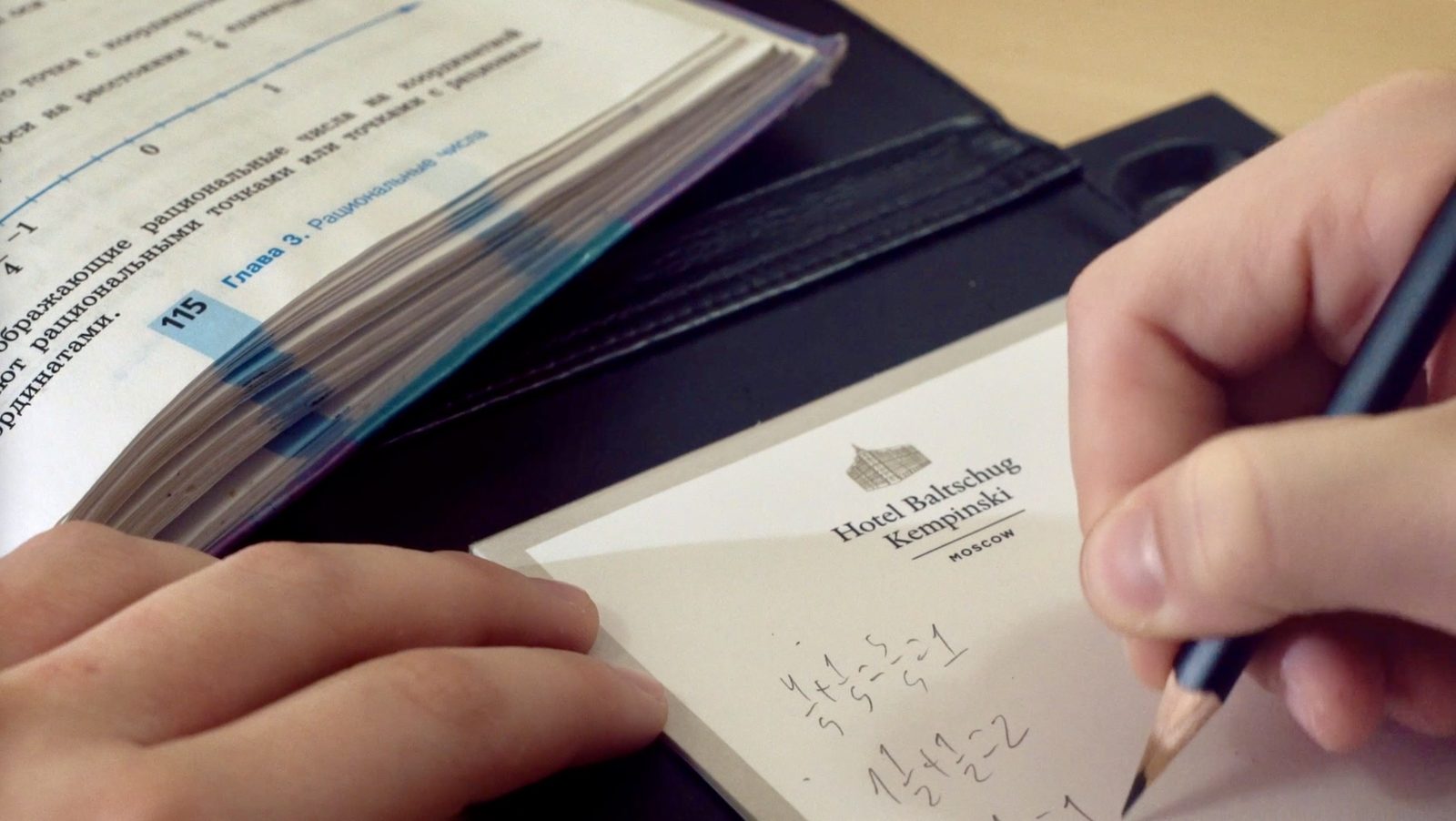
The fix is small and deliberate: a bag set down by the chair, a pair of shoes by the bed, an open book, a coffee cooling on the table, a robe loose over an armchair. Each says someone is staying here without a person ever entering the frame. These details are doing the same work a figure would — they just do it quietly.
The balance
The look that works is a balance of structured and loose: the bed crisp, but a throw casually folded; the desk clean, but a notebook and a pen on it. Order underneath, ease on top. The structured part keeps it premium; the loose part keeps it human. Either one alone falls flat.
In motion
Film gives you tools a photo doesn’t. A curtain breathing in the draught, light shifting across a wall, a figure passing through the far side of the room — small movement is the strongest signal of life there is. A still room can be staged. A room with one quiet thing moving in it feels real.
Get that balance right and a room stops being a product shot and starts being a place — the feeling we chase in every film we make.