People talk about “hotel video” as if it were one thing. It isn’t. A resort film and a city-hotel film are built to do almost opposite jobs — and the difference shows up long before the edit.
It shows up in how the days are scheduled, what the camera is asked to do, and what the guest is meant to feel by the end. Getting that decision right is the single biggest factor in whether a film converts.
A resort sells time
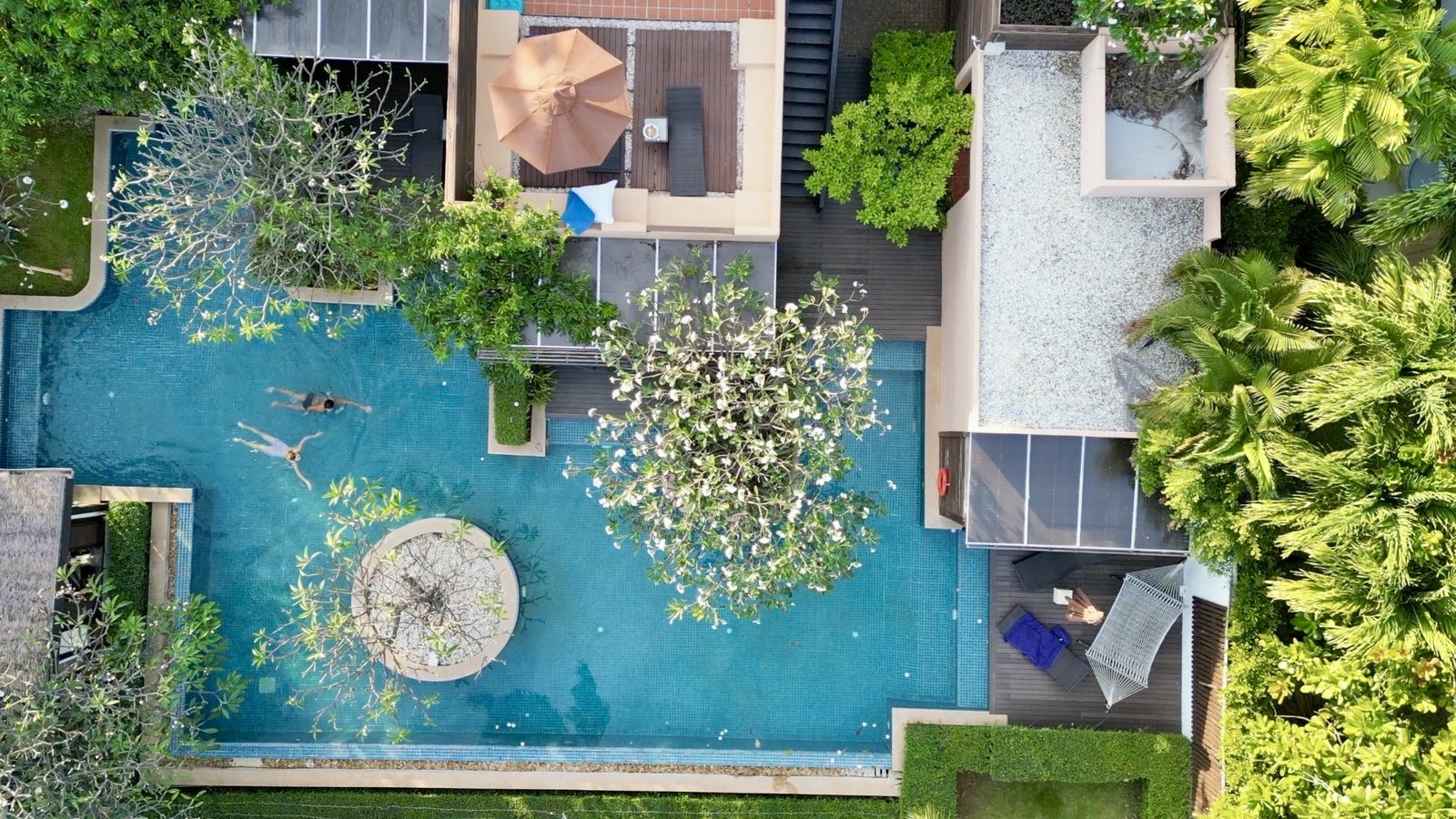
What a resort really offers is time that feels different from ordinary time. So the film has to slow down. It earns its mood from landscape, light, and the small rituals of arrival — the walk from the car, the first long view, breakfast nobody is rushing.
That changes the production. We shoot around the sun rather than the schedule, because the place only looks like itself for an hour at each end of the day. We give shots room to breathe and resist cramming every facility into ninety seconds — a resort that looks busy on screen stops looking like an escape. The result should feel less like a tour and more like a memory of a place you haven’t been to yet.
A city hotel sells contrast
A city hotel is doing the opposite job. The street is loud, fast, and full of options. The film has to acknowledge that energy and then offer relief from it — the room as a quiet floor above a noisy city, the bar as the right place to land after a long day.
So a city shoot is tighter and more designed. Less landscape, more detail: the texture of the lobby, the line of the architecture, the view that justifies the rate. Pace is quicker, but it should still arrive somewhere calm. The promise isn’t escape from the world — it’s a better position inside it.
Why the distinction matters before you book
Commission a slow, atmospheric film for a business hotel by a station and it will feel sleepy and won’t convert. Commission a fast, design-led cut for a remote resort and it will feel anxious, underselling the one thing that property is selling: room to breathe.
The brief is the decision. Everything downstream — call times, lens choices, setups per day, the pace of the edit — follows from which film you actually need. Sometimes a property has both jobs to do, and the honest answer is two distinct cuts rather than one compromise. If your property is a resort, that thinking shapes every resort film we make; the first conversation worth having is which of these two jobs yours has to do.
Two examples from our own work: Sheraton Samui selling time, and The St. Regis Nikolskaya selling contrast.